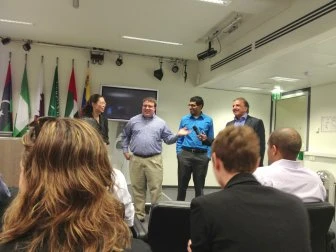
 Most of the information from his presentation can be found in the OPEC’s FAQ, on OPEC’s website. We learned about the “Seven Sisters, ” and how OPEC handles disputes between member countries, as well as about many other political and economical factors impacting OPEC decisions.
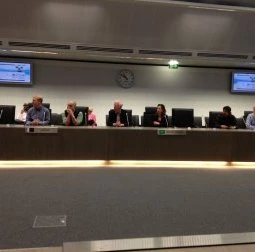
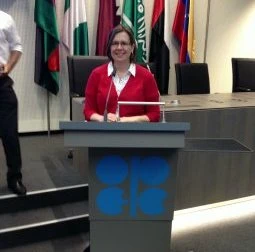
Next, we were allowed into the official meeting room used by the twelve OPEC member nations and representatives. Sitting in the actual chairs used by OPEC leaders was pretty amazing, and we took a lot of photos. Our hosts were extremely gracious, and provided us with a large assortment of souvenir items (books, magazines, etc.) with information about the oil industry and OPEC. I thought it was interesting that OPEC’s official working language is English.
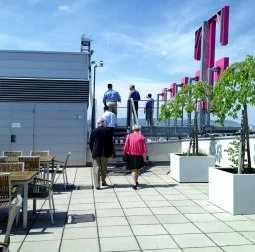
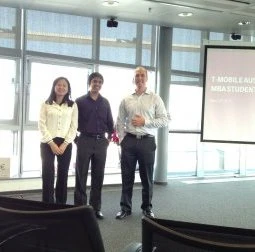
Afterwards, we hopped back on the tram to transfer to our next presentation site: T-Mobile, Austria. The T-Center was, to say the least, a very modern looking office building both on the inside and the outside. From a distance, the exterior resembles a ship. We started the visit with a great lunch in the company’s cafeteria (there was a huge variety of options, including full size made-to-order thin crust pizzas and strawberry crepes). After lunch, we traversed by security-monitored elevators all the way up to the building’s roof, where we walked outside across the rooftop to a glass-walled conference room overlooking Vienna.
It was pretty dramatic, to say the least! The presenters from T-Mobile did an excellent job detailing some of the current market challenges they are facing, and answering our questions. It is amazing how many of the presentations we’ve heard so far reinforce and relate to many of the business topics we learned about this past year in the Broad MBA program.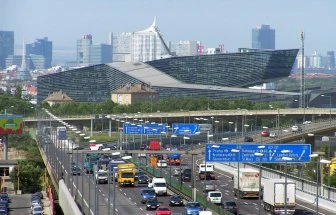 We’ve heard about how companies are using game theory, we’ve seen their brand positioning maps, and even heard about how often they conduct internal employee satisfaction surveys. My background before business school was engineering, so seeing these business concepts in action (and halfway around the world, at that!) has added a lot of relevance to the curriculum for me.
Afterwards, we took the tram to the famous Vienna Opera House for a private guided tour of the back stage area, the seating gallery, and the intermission rooms. We learned about the coordination required to store the many different sets (a huge logistical challenge due to the large size of the sets and very little nearby storage space), the show’s contingency plans if singers can’t perform (they always have a traditional opera to fall back on), and the elaborate transformation of the opera’s seating gallery and stage into a large ballroom for one special night called the “Opera Ball”.

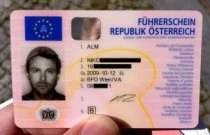 Austrian Man Wins Right To Wear Pasta Strainer In License Photo!